
Law school clinics offer hands-on experience to students and serve communities in need. Some schools are known for their clinic offerings. Drake Law had a respected Wrongful Convictions Clinic, but an abrupt suspension of the program has put its future in question. KCCI has coverage:
The abrupt closure followed the firing of Erica Nichols Cook, the professor who created and ran the Wrongful Convictions Clinic. “I received a notice that I was terminated and that all my classes were canceled,” Nichols Cook said.
Nichols Cook, who has more than a decade of experience working on wrongful convictions, said she believes her termination stemmed from a misunderstanding and distrust by members of the administration. The disagreement involved a $154,000 check from the estate of Bill Amor, a former client of Nichols Cook.
“He wanted to take care of the remaining family he had and support my work,” Nichols Cook said. Nichols Cook had taken on Amor’s case in 2012 while working for the Illinois Innocence Project, which is not affiliated with Drake.
Amor’s estate left $2.5M to Drake Law’s Wrongful Convictions Clinic. A separate $154k was given directly to Nichols Cook by Amor’s trustee who stated that she wasn’t happy with how the law school intended to use Amor’s gift. He definitely wouldn’t be happy with the school showing entitlement toward money that explicitly wasn’t earmarked for them. That said, error on the part of Amor’s trustee may get in the way of Amor’s wishes being followed:
In an email dated Feb. 6, Amor’s trustee apologized to Nichols Cook for the mistake, writing, “Bill expressed so many times his desire to have the funds put under your control. He loved you, and I overstepped what a trustee could legally do through ignorance. You paid the price, and I am at fault.”
The Wrongful Convictions Clinic did important work and it is a shame that it was closed down over cash squabbling. The students who were working on cases had to immediately drop the projects they’d been working on. The way the school handled this isn’t just a disservice to the students, it is a double injury to the people behind bars who were hoping for a second shot at justice. Drake shared that it wants to re-open the clinic next year, but is being in limbo really preferable to getting students the learning experience they need and doing the right thing?
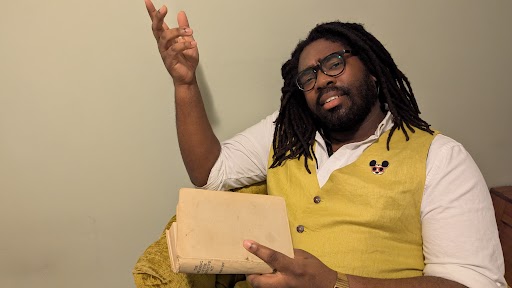
Chris Williams became a social media manager and assistant editor for Above the Law in June 2021. Prior to joining the staff, he moonlighted as a minor Memelord™ in the Facebook group Law School Memes for Edgy T14s . He endured Missouri long enough to graduate from Washington University in St. Louis School of Law. He is a former boat builder who is learning to swim and is interested in rhetoric, Spinozists and humor. Getting back in to cycling wouldn’t hurt either. You can reach him by email at christopherrashadwilliams@gmail.com and by Tweet/Bluesky at @WritesForRent.
The post Law School Shuts Down Wrongful Convictions Clinic After Accusing Professor Of Misappropriating Funds appeared first on Above the Law.

Law school clinics offer hands-on experience to students and serve communities in need. Some schools are known for their clinic offerings. Drake Law had a respected Wrongful Convictions Clinic, but an abrupt suspension of the program has put its future in question. KCCI has coverage:
The abrupt closure followed the firing of Erica Nichols Cook, the professor who created and ran the Wrongful Convictions Clinic. “I received a notice that I was terminated and that all my classes were canceled,” Nichols Cook said.
Nichols Cook, who has more than a decade of experience working on wrongful convictions, said she believes her termination stemmed from a misunderstanding and distrust by members of the administration. The disagreement involved a $154,000 check from the estate of Bill Amor, a former client of Nichols Cook.
“He wanted to take care of the remaining family he had and support my work,” Nichols Cook said. Nichols Cook had taken on Amor’s case in 2012 while working for the Illinois Innocence Project, which is not affiliated with Drake.
Amor’s estate left $2.5M to Drake Law’s Wrongful Convictions Clinic. A separate $154k was given directly to Nichols Cook by Amor’s trustee who stated that she wasn’t happy with how the law school intended to use Amor’s gift. He definitely wouldn’t be happy with the school showing entitlement toward money that explicitly wasn’t earmarked for them. That said, error on the part of Amor’s trustee may get in the way of Amor’s wishes being followed:
In an email dated Feb. 6, Amor’s trustee apologized to Nichols Cook for the mistake, writing, “Bill expressed so many times his desire to have the funds put under your control. He loved you, and I overstepped what a trustee could legally do through ignorance. You paid the price, and I am at fault.”
The Wrongful Convictions Clinic did important work and it is a shame that it was closed down over cash squabbling. The students who were working on cases had to immediately drop the projects they’d been working on. The way the school handled this isn’t just a disservice to the students, it is a double injury to the people behind bars who were hoping for a second shot at justice. Drake shared that it wants to re-open the clinic next year, but is being in limbo really preferable to getting students the learning experience they need and doing the right thing?
Chris Williams became a social media manager and assistant editor for Above the Law in June 2021. Prior to joining the staff, he moonlighted as a minor Memelord™ in the Facebook group Law School Memes for Edgy T14s . He endured Missouri long enough to graduate from Washington University in St. Louis School of Law. He is a former boat builder who is learning to swim and is interested in rhetoric, Spinozists and humor. Getting back in to cycling wouldn’t hurt either. You can reach him by email at [email protected] and by Tweet/Bluesky at @WritesForRent.