
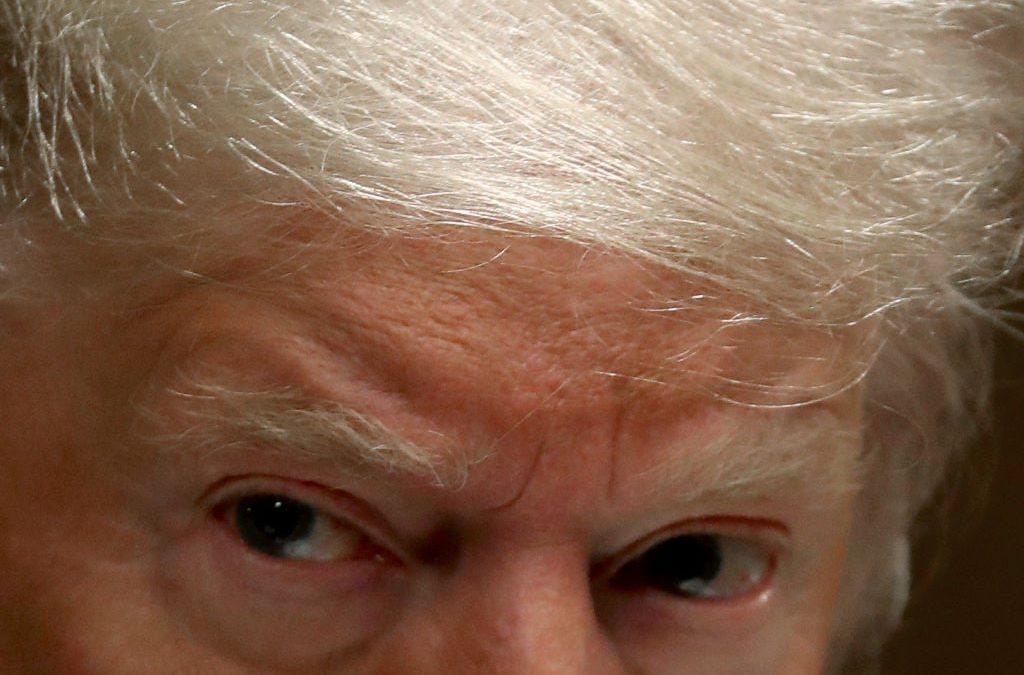
On January 29, 2026, President Donald Trump, his sons Donald Jr. and Eric, and the Trump Organization filed a lawsuit against the Internal Revenue Service (IRS) and the Treasury Department seeking $10 billion in damages. The lawsuit itself drew criticism because President Trump controls both defendant agencies, raising concerns that any settlement would not result from any arm’s-length negotiations.
I suspected that the lawsuit would be dismissed or settled in Trump’s favor. If the lawsuit progressed on the merits, there is a chance that the lawsuit could be dismissed because it may have been filed after the statute of limitations. Or the plaintiffs’ damages may be nowhere near the $10 billion they are claiming.
And that is what happened. Yesterday, the plaintiffs voluntarily dismissed the lawsuit with prejudice. But it was after the Department of Justice agreed to set up a $1.776 billion “Anti-Weaponization Fund” which will be used to compensate victims of lawfare.
In addition to setting up the fund, the AG’s office stated that the government will not pursue legal action against the Trumps and their related entities for anything connected to the lawsuit including tax-related actions that existed before the settlement took effect. Some have argued that this shields Trump from a federal tax audit.
Let’s look at the settlement agreement between the parties and what it means for the parties.
So why did the Trumps initiate this lawsuit in the first place? At first glance, it seems like President Trump could have simply ordered the Treasury Department to settle prelitigation and give him the money he asked for.
But by settling in court, Trump had access to the government judgment fund, a statutory appropriation of federal funds to be used to pay judgments.
Shouldn’t the judge approve the settlement? There was a settlement agreement between the parties as clearly notated here and here. But the plaintiffs filed a notice of dismissal with the court that has no mention of a settlement. The notice states that the dismissal is self-executing and is not subject to court review or approval.
Why did they file it this way? Scott Greenfield found that captioning the notice as one of dismissal rather than one of settlement is to prevent Judge Kathleen Williams from exercising her general supervisory authority over a suit before seeking to use the authority of the court to circumvent the funding authority of Congress.
As I mentioned previously, filing a notice of dismissal under Rule 41 of the Federal Rules of Civil Procedure does not require court approval.
But Greenfield also points out that filing the notice without alerting the court about the settlement goes against a local court rule:
RULE 16.4 NOTICE OF SETTLEMENT
If the parties reach an agreement to settle the entire case or certain claims or issues therein, counsel shall notify the Court of such settlement by filing and serving a notice of settlement within two (2) Court days of such agreement being reached. The notice shall be filed and served jointly by counsel for all parties to the settlement. Alternatively, the parties may file and serve a notice or stipulation, as applicable, pursuant to Fed. R. Civ. P. 41. But unless such notice or stipulation is filed within two (2) Court days of the parties reaching a settlement, the parties are still required to file and serve a separate notice of settlement.
It remains to be seen whether the judge will determine whether the plaintiffs’ attorneys should have notified the judge of the settlement agreement before filing the notice of dismissal.
So who would the money go to? According to the settlement agreement, the money would go to claimants who were victims of lawfare or weaponization. While those two words are not defined in the agreement, it is safe to assume someone who was a victim of violence, cancel culture, politically motivated lawsuits, or other forms of political persecution from Democrats or progressive groups and NGOs.
Trump and his family will not receive anything from this fund but instead get a formal apology from the United States.
The fund will be managed by five people. All will be appointed by the acting attorney general, although one will be chosen in consultation with Congressional leadership. Trump can remove any member without cause.
It is unknown how many people will apply for compensation from this fund, but some believe that the participants of the January 6 riots would be paid through this fund. According to the FBI’s website, 1,240 people have been charged with participating in the riots. Of those, 452 were charged for assaulting law enforcement officers — it remains to be seen whether these people will be eligible for compensation.
The funds could also be used to compensate other victims of lawfare and weaponization. This could include notable people like Kyle Rittenhouse, Charlie Kirk’s family, and the former Minneapolis police officers convicted of murdering George Floyd, in particular Derek Chauvin.
Chauvin is currently serving a concurrent federal and state prison sentence in Texas for his role in Floyd’s death and is expected to be released in 2037. Assuming Chauvin will be granted a federal pardon from Trump, if he is given a large award from the Anti-Weaponization fund, he can forfeit the award to the city of Minneapolis in exchange for early release. The city of Minneapolis paid $27 million to Floyd’s family to settle a civil lawsuit. Or Chauvin can keep the funds for himself to use when he is released.
The $1.776 billion allocation appears to be symbolic rather than based on projected settlement calculations . So it is possible that the amount will not be fully exhausted. The agreement states that any remaining funds after all claims are paid will be directed to federal agencies.
So are the Trumps shielded from tax audits? The settlement agreement states that the federal government is barred from (among other actions) examination or similar or related reviews of tax returns filed before the settlement date. Generally, the IRS has three years to audit a tax return and can audit any year for unfiled returns or filing false tax returns with the intent to evade taxes.
While this may shield the Trumps from federal audits, it does not shield them from state income tax audits.
Trump’s settlement with the IRS resulted in a $1.776 billion fund to be used to compensate victims of lawfare and weaponization. Since the members of this fund are appointed by the acting attorney general who was formerly President Trump’s personal attorney and can be removed by him without cause, many have accused Trump of setting up a slush fund. The fact that Brian Morrissey, the Treasury’s general counsel, resigned from the position soon after the settlement agreement could be a sign.
Steven Chung is a tax attorney in Los Angeles, California. He helps people with basic tax planning and resolve tax disputes. He is also sympathetic to people with large student loans. He can be reached via email at stevenchungatl@gmail.com. Or you can connect with him on Twitter (@stevenchung) and connect with him on LinkedIn.
The post From Tax Lawsuit To Anti-Lawfare Fund: Examining Trump’s Unprecedented Settlement With His Own Government appeared first on Above the Law.
On January 29, 2026, President Donald Trump, his sons Donald Jr. and Eric, and the Trump Organization filed a lawsuit against the Internal Revenue Service (IRS) and the Treasury Department seeking $10 billion in damages. The lawsuit itself drew criticism because President Trump controls both defendant agencies, raising concerns that any settlement would not result from any arm’s-length negotiations.
I suspected that the lawsuit would be dismissed or settled in Trump’s favor. If the lawsuit progressed on the merits, there is a chance that the lawsuit could be dismissed because it may have been filed after the statute of limitations. Or the plaintiffs’ damages may be nowhere near the $10 billion they are claiming.
And that is what happened. Yesterday, the plaintiffs voluntarily dismissed the lawsuit with prejudice. But it was after the Department of Justice agreed to set up a $1.776 billion “Anti-Weaponization Fund” which will be used to compensate victims of lawfare.
In addition to setting up the fund, the AG’s office stated that the government will not pursue legal action against the Trumps and their related entities for anything connected to the lawsuit including tax-related actions that existed before the settlement took effect. Some have argued that this shields Trump from a federal tax audit.
Let’s look at the settlement agreement between the parties and what it means for the parties.
So why did the Trumps initiate this lawsuit in the first place? At first glance, it seems like President Trump could have simply ordered the Treasury Department to settle prelitigation and give him the money he asked for.
But by settling in court, Trump had access to the government judgment fund, a statutory appropriation of federal funds to be used to pay judgments.
Shouldn’t the judge approve the settlement? There was a settlement agreement between the parties as clearly notated here and here. But the plaintiffs filed a notice of dismissal with the court that has no mention of a settlement. The notice states that the dismissal is self-executing and is not subject to court review or approval.
Why did they file it this way? Scott Greenfield found that captioning the notice as one of dismissal rather than one of settlement is to prevent Judge Kathleen Williams from exercising her general supervisory authority over a suit before seeking to use the authority of the court to circumvent the funding authority of Congress.
As I mentioned previously, filing a notice of dismissal under Rule 41 of the Federal Rules of Civil Procedure does not require court approval.
But Greenfield also points out that filing the notice without alerting the court about the settlement goes against a local court rule:
RULE 16.4 NOTICE OF SETTLEMENT
If the parties reach an agreement to settle the entire case or certain claims or issues therein, counsel shall notify the Court of such settlement by filing and serving a notice of settlement within two (2) Court days of such agreement being reached. The notice shall be filed and served jointly by counsel for all parties to the settlement. Alternatively, the parties may file and serve a notice or stipulation, as applicable, pursuant to Fed. R. Civ. P. 41. But unless such notice or stipulation is filed within two (2) Court days of the parties reaching a settlement, the parties are still required to file and serve a separate notice of settlement.
It remains to be seen whether the judge will determine whether the plaintiffs’ attorneys should have notified the judge of the settlement agreement before filing the notice of dismissal.
So who would the money go to? According to the settlement agreement, the money would go to claimants who were victims of lawfare or weaponization. While those two words are not defined in the agreement, it is safe to assume someone who was a victim of violence, cancel culture, politically motivated lawsuits, or other forms of political persecution from Democrats or progressive groups and NGOs.
Trump and his family will not receive anything from this fund but instead get a formal apology from the United States.
The fund will be managed by five people. All will be appointed by the acting attorney general, although one will be chosen in consultation with Congressional leadership. Trump can remove any member without cause.
It is unknown how many people will apply for compensation from this fund, but some believe that the participants of the January 6 riots would be paid through this fund. According to the FBI’s website, 1,240 people have been charged with participating in the riots. Of those, 452 were charged for assaulting law enforcement officers — it remains to be seen whether these people will be eligible for compensation.
The funds could also be used to compensate other victims of lawfare and weaponization. This could include notable people like Kyle Rittenhouse, Charlie Kirk’s family, and the former Minneapolis police officers convicted of murdering George Floyd, in particular Derek Chauvin.
Chauvin is currently serving a concurrent federal and state prison sentence in Texas for his role in Floyd’s death and is expected to be released in 2037. Assuming Chauvin will be granted a federal pardon from Trump, if he is given a large award from the Anti-Weaponization fund, he can forfeit the award to the city of Minneapolis in exchange for early release. The city of Minneapolis paid $27 million to Floyd’s family to settle a civil lawsuit. Or Chauvin can keep the funds for himself to use when he is released.
The $1.776 billion allocation appears to be symbolic rather than based on projected settlement calculations . So it is possible that the amount will not be fully exhausted. The agreement states that any remaining funds after all claims are paid will be directed to federal agencies.
So are the Trumps shielded from tax audits? The settlement agreement states that the federal government is barred from (among other actions) examination or similar or related reviews of tax returns filed before the settlement date. Generally, the IRS has three years to audit a tax return and can audit any year for unfiled returns or filing false tax returns with the intent to evade taxes.
While this may shield the Trumps from federal audits, it does not shield them from state income tax audits.
Trump’s settlement with the IRS resulted in a $1.776 billion fund to be used to compensate victims of lawfare and weaponization. Since the members of this fund are appointed by the acting attorney general who was formerly President Trump’s personal attorney and can be removed by him without cause, many have accused Trump of setting up a slush fund. The fact that Brian Morrissey, the Treasury’s general counsel, resigned from the position soon after the settlement agreement could be a sign.
Steven Chung is a tax attorney in Los Angeles, California. He helps people with basic tax planning and resolve tax disputes. He is also sympathetic to people with large student loans. He can be reached via email at stevenchungatl@gmail.com. Or you can connect with him on Twitter (@stevenchung) and connect with him on LinkedIn.
The post From Tax Lawsuit To Anti-Lawfare Fund: Examining Trump’s Unprecedented Settlement With His Own Government appeared first on Above the Law.