

For many law school graduates, debt doesn’t just exist on paper—it shows up in large monthly payments. A familiar question has new urgency: how do you manage that level of student loan debt early in your legal career without sacrificing everything else? After years of disruption—the federal payment pause, legal battles over forgiveness, and the end of the SAVE repayment plan—many borrowers settled into a prolonged “wait and see” mindset. The problem is that waiting has a price tag.
THE STUDENT LOAN SAVINGS GAP
Research shows less than 1 in 10 eligible¹ borrowers refinance² their student loans, even when doing so could mean saving³ money. That gap isn’t about financial discipline. It’s about clarity. Refinancing replaces your existing loan with a new one, often at a lower rate, with terms that better fit your current life. It can reduce total interest paid, lower monthly payments, shorten your timeline to debt-free, or consolidate multiple loans into one.
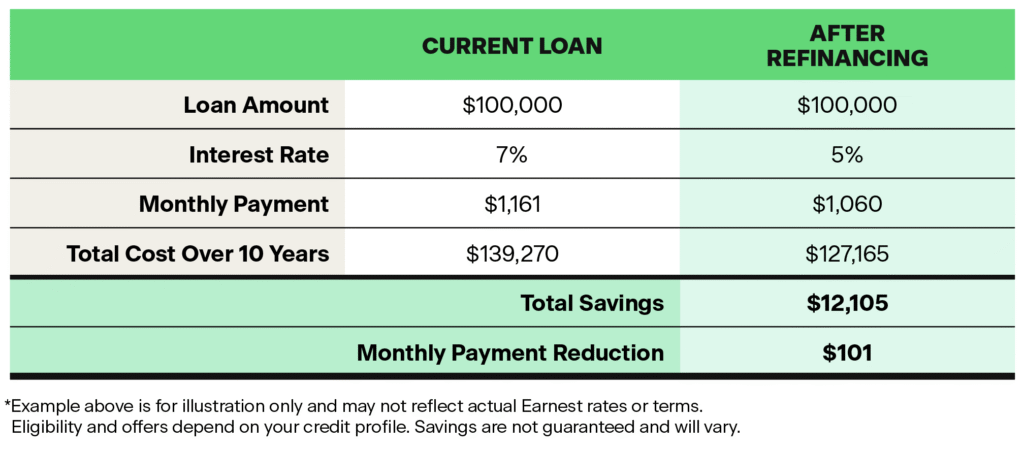
The math can be striking. A $100,000 loan at 7% interest, refinanced to 5% over 10 years, could save more than $12,000 over the life of the loan—and reduce monthly payments by roughly $100. For law graduates, where six-figure balances are often the norm, the impact compounds further. On paper, $101 per month may appear modest. But it can mean breathing room, with funds put toward retirement savings, a mortgage, or simply greater stability.
The gap isn’t in the math, it’s in the action. Too many borrowers who would benefit from refinancing simply haven’t made the move.
WHY MOST BORROWERS DON’T ACT
Common hesitations are often based on misconceptions. Some assume refinancing is complicated or time-consuming. Others worry about the impact on their credit, or whether the potential savings justify the effort. There is also a more substantive consideration: refinancing federal loans into a private loan means giving up access to federal programs like income-driven repayment plans or Public Service Loan Forgiveness. For those pursuing public interest law or planning to rely on those protections, that tradeoff may outweigh any potential savings.
But not every law graduate is on that path. For borrowers in the private sector, with stable income and no intention of using federal forgiveness programs, refinancing could be one of the few direct ways to actively reduce the cost of their debt.
WHY BORROWERS CHOOSE EARNEST
Earnest helps you build the financial life you envision and go from debt to wealth. You can check your refinancing rate in minutes with no credit impact. And you’ll never pay any fees, not even late payment fees. You can also customize your loan and pick your exact monthly payment down to the dollar. For law school graduates, that flexibility can come with an added advantage: Borrowers in established professional fields like law may qualify for lower rates based on their earning potential and financial profile. The 1-in-10 statistic isn’t just about missed savings. It’s a signal that too many borrowers haven’t taken time to understand their options. Checking your rate isn’t a commitment. It’s a starting point.
1 This claim is based on analysis combining publicly available data and proprietary underwriting models. We applied our proprietary data and underwriting criteria to estimate the portion of borrowers who are credit-eligible and could achieve savings through refinancing. Actual savings and eligibility may vary based on individual circumstances, creditworthiness, and current loan terms. This analysis reflects market conditions as of 2025 and is subject to change.
2 Please note that you will lose benefits associated with your underlying federal loans, such as federal Income-driven Repayment Plans, Economic Hardship Deferment, Public Service Loan Forgiveness, or other deferment and forbearance options, if you refinance into a private loan. If you file for bankruptcy, you may still be required to pay back this loan.
3 Choosing to refinance to a longer term may lower your monthly payment, but increase the amount of interest you may pay. Choosing to refinance to a shorter term may increase your monthly payment, but lower the amount of interest you may pay. Review your l
The post Research Shows Only 10% Of Eligible Borrowers Refinance Student Loans Despite Potential Savings appeared first on Above the Law.
For many law school graduates, debt doesn’t just exist on paper—it shows up in large monthly payments. A familiar question has new urgency: how do you manage that level of student loan debt early in your legal career without sacrificing everything else? After years of disruption—the federal payment pause, legal battles over forgiveness, and the end of the SAVE repayment plan—many borrowers settled into a prolonged “wait and see” mindset. The problem is that waiting has a price tag.
THE STUDENT LOAN SAVINGS GAP
Research shows less than 1 in 10 eligible¹ borrowers refinance² their student loans, even when doing so could mean saving³ money. That gap isn’t about financial discipline. It’s about clarity. Refinancing replaces your existing loan with a new one, often at a lower rate, with terms that better fit your current life. It can reduce total interest paid, lower monthly payments, shorten your timeline to debt-free, or consolidate multiple loans into one.
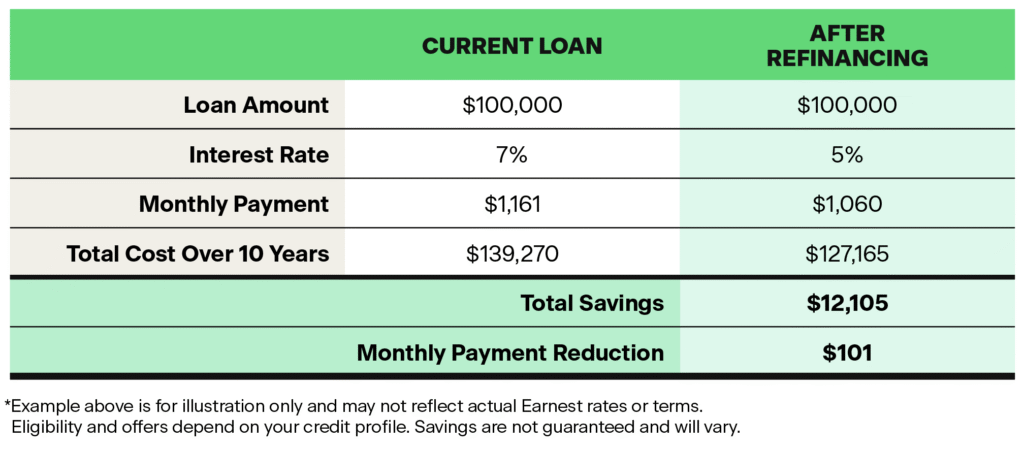
The math can be striking. A $100,000 loan at 7% interest, refinanced to 5% over 10 years, could save more than $12,000 over the life of the loan—and reduce monthly payments by roughly $100. For law graduates, where six-figure balances are often the norm, the impact compounds further. On paper, $101 per month may appear modest. But it can mean breathing room, with funds put toward retirement savings, a mortgage, or simply greater stability.
The gap isn’t in the math, it’s in the action. Too many borrowers who would benefit from refinancing simply haven’t made the move.
WHY MOST BORROWERS DON’T ACT
Common hesitations are often based on misconceptions. Some assume refinancing is complicated or time-consuming. Others worry about the impact on their credit, or whether the potential savings justify the effort. There is also a more substantive consideration: refinancing federal loans into a private loan means giving up access to federal programs like income-driven repayment plans or Public Service Loan Forgiveness. For those pursuing public interest law or planning to rely on those protections, that tradeoff may outweigh any potential savings.
But not every law graduate is on that path. For borrowers in the private sector, with stable income and no intention of using federal forgiveness programs, refinancing could be one of the few direct ways to actively reduce the cost of their debt.
WHY BORROWERS CHOOSE EARNEST
Earnest helps you build the financial life you envision and go from debt to wealth. You can check your refinancing rate in minutes with no credit impact. And you’ll never pay any fees, not even late payment fees. You can also customize your loan and pick your exact monthly payment down to the dollar. For law school graduates, that flexibility can come with an added advantage: Borrowers in established professional fields like law may qualify for lower rates based on their earning potential and financial profile. The 1-in-10 statistic isn’t just about missed savings. It’s a signal that too many borrowers haven’t taken time to understand their options. Checking your rate isn’t a commitment. It’s a starting point.
1 This claim is based on analysis combining publicly available data and proprietary underwriting models. We applied our proprietary data and underwriting criteria to estimate the portion of borrowers who are credit-eligible and could achieve savings through refinancing. Actual savings and eligibility may vary based on individual circumstances, creditworthiness, and current loan terms. This analysis reflects market conditions as of 2025 and is subject to change.
2 Please note that you will lose benefits associated with your underlying federal loans, such as federal Income-driven Repayment Plans, Economic Hardship Deferment, Public Service Loan Forgiveness, or other deferment and forbearance options, if you refinance into a private loan. If you file for bankruptcy, you may still be required to pay back this loan.
3 Choosing to refinance to a longer term may lower your monthly payment, but increase the amount of interest you may pay. Choosing to refinance to a shorter term may increase your monthly payment, but lower the amount of interest you may pay. Review your l
The post Research Shows Only 10% Of Eligible Borrowers Refinance Student Loans Despite Potential Savings appeared first on Above the Law.