
Paul, Weiss announced Tuesday that it has enhanced its private equity capabilities with six new lawyers: private equity co-head Christopher Machera, private equity M&A partner Timothy Burns, tax partner Noah Beck, executive compensation partner Amanda Rotkel, and Andrew Lawson and Dylan Hans on the tax and private equity M&A sides. Chairman Scott Barshay called the group “one of the most talented teams of private equity lawyers in the marketplace” and “a perfect fit.”
The release does not say where they were before. All six were Weil’s.
Machera, for his part, offered a line that reads a little differently if you happen to work in Weil’s corporate department. “The Paul, Weiss private equity platform speaks for itself,” he said, “and the response from our clients has been literally overwhelming since I arrived.”
There’s that word again. When Weil announced that corporate chair Michael Aiello was leaving, it went out of its way to note he was decamping for “a smaller platform,” the platform in question being Cravath. And again they echoed the “platform” terminology when responding to those pesky merger rumors.
The departure of Machera’s group is the back half of a very long year. Since 2026, Weil has lost London finance partners Chris McLaughlin, Alastair McVeigh, and Jenny Choi to Sullivan & Cromwell; its London restructuring trio of Neil Devaney, Lois Deasey, and Matt Benson to Akin; Murray Cox to Simpson Thacher, with private funds partners Simon Saitowitz, Stephanie Epstein Srulowitz, Brian Parness, and Andrew Nichol following him there; white-collar co-chair Daniel Stein to Freshfields; London M&A leader David Avery-Gee and Sarah Flaherty to Sullivan & Cromwell, again; and Sachin Kohli (the longtime deputy Aiello reportedly called “disloyal” for wanting to build a West Coast practice) to Wilson Sonsini. Then Aiello took Matthew Gilroy, Eoghan Keenan, Amanda Fenster, Michelle Sargent, and Megan Pendleton with him to Cravath.
That’s a lot of partners taking to the exits. Weil’s own partners have been happy to explain it — Aiello was territorial, skeptical of growth, a roadblock to recruiting, and his exit was going to be “a great opportunity to let Weil be Weil.” And the lateral market is white hot right now, and the eight-figure deals floating around are enough to get even the most loyal partner looking at the door.
It’s also not as though Weil has been standing still and taking it. The firm picked off private equity partners from Dechert and Kirkland to build out San Francisco, took a private funds partner and a Houston energy partner off Simpson Thacher, welcomed back Freshfields’ private credit co-leader, elected a new partner class, and made eight more partners across London, Munich, and Paris. A firm in retreat doesn’t open a West Coast office and staff it with other people’s rainmakers.
Weil insists it is not currently in merger discussions with anyone, and that management “continually evaluates ways to strengthen its platform.” Which is Biglaw for: keep your eyes peeled.
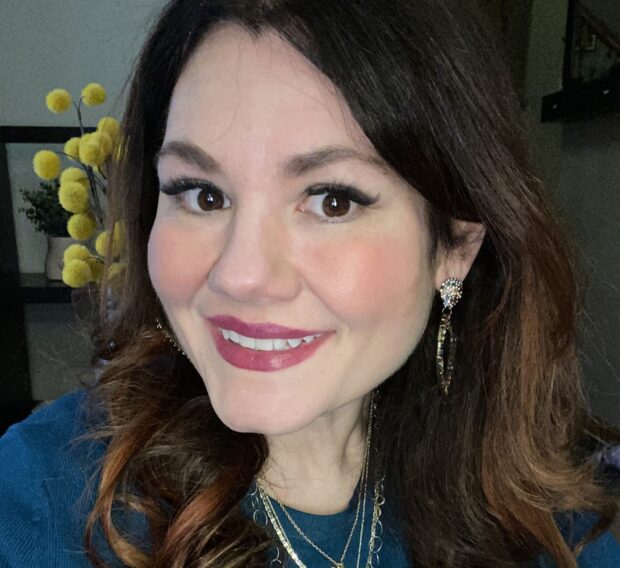
Kathryn Rubino is a Senior Editor at Above the Law, host of The Jabot podcast, and co-host of Thinking Like A Lawyer. AtL tipsters are the best, so please connect with her. Feel free to email her with any tips, questions, or comments and follow her on Twitter @Kathryn1 or Bluesky @Kathryn1
The post Weil’s Revolving Door Now Spins In Both Directions appeared first on Above the Law.

Paul, Weiss announced Tuesday that it has enhanced its private equity capabilities with six new lawyers: private equity co-head Christopher Machera, private equity M&A partner Timothy Burns, tax partner Noah Beck, executive compensation partner Amanda Rotkel, and Andrew Lawson and Dylan Hans on the tax and private equity M&A sides. Chairman Scott Barshay called the group “one of the most talented teams of private equity lawyers in the marketplace” and “a perfect fit.”
The release does not say where they were before. All six were Weil’s.
Machera, for his part, offered a line that reads a little differently if you happen to work in Weil’s corporate department. “The Paul, Weiss private equity platform speaks for itself,” he said, “and the response from our clients has been literally overwhelming since I arrived.”
There’s that word again. When Weil announced that corporate chair Michael Aiello was leaving, it went out of its way to note he was decamping for “a smaller platform,” the platform in question being Cravath. And again they echoed the “platform” terminology when responding to those pesky merger rumors.
The departure of Machera’s group is the back half of a very long year. Since 2026, Weil has lost London finance partners Chris McLaughlin, Alastair McVeigh, and Jenny Choi to Sullivan & Cromwell; its London restructuring trio of Neil Devaney, Lois Deasey, and Matt Benson to Akin; Murray Cox to Simpson Thacher, with private funds partners Simon Saitowitz, Stephanie Epstein Srulowitz, Brian Parness, and Andrew Nichol following him there; white-collar co-chair Daniel Stein to Freshfields; London M&A leader David Avery-Gee and Sarah Flaherty to Sullivan & Cromwell, again; and Sachin Kohli (the longtime deputy Aiello reportedly called “disloyal” for wanting to build a West Coast practice) to Wilson Sonsini. Then Aiello took Matthew Gilroy, Eoghan Keenan, Amanda Fenster, Michelle Sargent, and Megan Pendleton with him to Cravath.
That’s a lot of partners taking to the exits. Weil’s own partners have been happy to explain it — Aiello was territorial, skeptical of growth, a roadblock to recruiting, and his exit was going to be “a great opportunity to let Weil be Weil.” And the lateral market is white hot right now, and the eight-figure deals floating around are enough to get even the most loyal partner looking at the door.
It’s also not as though Weil has been standing still and taking it. The firm picked off private equity partners from Dechert and Kirkland to build out San Francisco, took a private funds partner and a Houston energy partner off Simpson Thacher, welcomed back Freshfields’ private credit co-leader, elected a new partner class, and made eight more partners across London, Munich, and Paris. A firm in retreat doesn’t open a West Coast office and staff it with other people’s rainmakers.
Weil insists it is not currently in merger discussions with anyone, and that management “continually evaluates ways to strengthen its platform.” Which is Biglaw for: keep your eyes peeled.
Kathryn Rubino is a Senior Editor at Above the Law, host of The Jabot podcast, and co-host of Thinking Like A Lawyer. AtL tipsters are the best, so please connect with her. Feel free to email her with any tips, questions, or comments and follow her on Twitter @Kathryn1 or Bluesky @Kathryn1