
Lawyers and law professors have worn the soles out of “it depends” when answering legal questions, but the shoulder shrug is a legitimate response given the last few years of Constitutional developments. The Court shrugged off stare decisis in a big way with Bruen back in 2022 and the jurists’ internal consistency of their rulings is so suspect that Justice Gorsuch took it upon himself to call most of his co-workers hypocrites. Trump v. United States made it harder to distinguish the difference between a president and a king and Kennedy v. Bremerton the difference between church and state. The newest development in Establishment Clause doctrine comes out of Utah — they just passed a law allowing students to opt out of content if it isn’t in line with their religious beliefs. Heching Report has coverage:
A new state law offers these students a unique protection: If something in a class conflicts with their strongly held religious or personal beliefs, students can ask their professor for an alternative assignment or exam. And as long as their request doesn’t change the fundamental nature of the course, the professor is now required by law to allow the student to opt out.
…
Michael J. Petersen, a Republican state representative from Logan, said the idea for the bill came after his daughter was assigned to write a letter to a legislator in support of LGBTQ+ rights as part of a master’s degree program at an out-of-state college. The assignment was in conflict with her beliefs, so she called her dad for help.He helped her write “something that was very, very bland.” She moved on — and he began drafting the legislation.
To the degree that the law prevents students from being forced to materially advocate for something that is against their will (i.e., sending a letter of support to a senator), I think the law is fair game. But there is a risk of sloping toward refusing engagement with any unsavory ideas and forcing professors to make students comfortable rather than encouraging them to think critically or, dare I say it, like lawyers. One of the main functions of higher education — besides the creation of docile bodies ready to meet market demands — is to expose students to new ideas. And exposure isn’t interchangeable with conversion; in college and law school, I encountered points of view I considered anathema, but doing so helped me better understand my own thoughts or why I disagreed with the ones presented.
But what does this new law mean for law school? Well, it depends. Take the University of Utah’s law school, for example. The school is governed by the Utah Board of Higher Education and appears to be bound to the new law. The law requires faculty to make accommodations for courses that are part of the college’s general education requirement; it would be a hard sell for 1L Con Law or Crim Law courses to not fall under that category. What happens if the professor writes a final that requires the student to navigate a hypothetical banning interracial gay marriage? Do they get to say that reading Obergefell v. Hodges or Loving v. Virginia went against their religiously held beliefs on marriage and that forcing them to read the cases or parrot those holdings to advocate for a position, even if it never left the classroom, would violate their faith? Or what if there’s some novel believer who genuinely holds that the Dormant Commerce Clause is sinful, would a Con Law professor be required to give them an exam that doesn’t require acknowledging it exists?
Maybe the professors should consult with religious leaders before they assign readings and exams, just to make sure that things run as smoothly as possible. Wouldn’t want to make any students uncomfortable.
A New Law In Utah Allows Students To Opt Out Of Coursework That Conflicts With Their Beliefs [Heching Report]
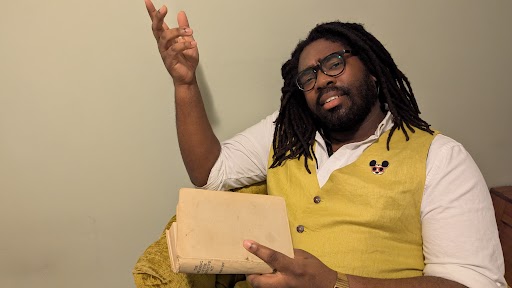
Chris Williams became a social media manager and assistant editor for Above the Law in June 2021. Prior to joining the staff, he moonlighted as a minor Memelord™ in the Facebook group Law School Memes for Edgy T14s . He endured Missouri long enough to graduate from Washington University in St. Louis School of Law. He is a former boat builder who is learning to swim and is interested in rhetoric, Spinozists and humor. Getting back in to cycling wouldn’t hurt either. You can reach him by email at christopherrashadwilliams@gmail.com and by Tweet/Bluesky at @WritesForRent.
The post New Utah Law Lets Students Skip Content They Don’t Believe In. And You Thought Teaching Con Law Was Bad Before… appeared first on Above the Law.
Lawyers and law professors have worn the soles out of “it depends” when answering legal questions, but the shoulder shrug is a legitimate response given the last few years of Constitutional developments. The Court shrugged off stare decisis in a big way with Bruen back in 2022 and the jurists’ internal consistency of their rulings is so suspect that Justice Gorsuch took it upon himself to call most of his co-workers hypocrites. Trump v. United States made it harder to distinguish the difference between a president and a king and Kennedy v. Bremerton the difference between church and state. The newest development in Establishment Clause doctrine comes out of Utah — they just passed a law allowing students to opt out of content if it isn’t in line with their religious beliefs. Heching Report has coverage:
A new state law offers these students a unique protection: If something in a class conflicts with their strongly held religious or personal beliefs, students can ask their professor for an alternative assignment or exam. And as long as their request doesn’t change the fundamental nature of the course, the professor is now required by law to allow the student to opt out.
…
Michael J. Petersen, a Republican state representative from Logan, said the idea for the bill came after his daughter was assigned to write a letter to a legislator in support of LGBTQ+ rights as part of a master’s degree program at an out-of-state college. The assignment was in conflict with her beliefs, so she called her dad for help.He helped her write “something that was very, very bland.” She moved on — and he began drafting the legislation.
To the degree that the law prevents students from being forced to materially advocate for something that is against their will (i.e., sending a letter of support to a senator), I think the law is fair game. But there is a risk of sloping toward refusing engagement with any unsavory ideas and forcing professors to make students comfortable rather than encouraging them to think critically or, dare I say it, like lawyers. One of the main functions of higher education — besides the creation of docile bodies ready to meet market demands — is to expose students to new ideas. And exposure isn’t interchangeable with conversion; in college and law school, I encountered points of view I considered anathema, but doing so helped me better understand my own thoughts or why I disagreed with the ones presented.
But what does this new law mean for law school? Well, it depends. Take the University of Utah’s law school, for example. The school is governed by the Utah Board of Higher Education and appears to be bound to the new law. The law requires faculty to make accommodations for courses that are part of the college’s general education requirement; it would be a hard sell for 1L Con Law or Crim Law courses to not fall under that category. What happens if the professor writes a final that requires the student to navigate a hypothetical banning interracial gay marriage? Do they get to say that reading Obergefell v. Hodges or Loving v. Virginia went against their religiously held beliefs on marriage and that forcing them to read the cases or parrot those holdings to advocate for a position, even if it never left the classroom, would violate their faith? Or what if there’s some novel believer who genuinely holds that the Dormant Commerce Clause is sinful, would a Con Law professor be required to give them an exam that doesn’t require acknowledging it exists?
Maybe the professors should consult with religious leaders before they assign readings and exams, just to make sure that things run as smoothly as possible. Wouldn’t want to make any students uncomfortable.
A New Law In Utah Allows Students To Opt Out Of Coursework That Conflicts With Their Beliefs [Heching Report]
Chris Williams became a social media manager and assistant editor for Above the Law in June 2021. Prior to joining the staff, he moonlighted as a minor Memelord™ in the Facebook group Law School Memes for Edgy T14s . He endured Missouri long enough to graduate from Washington University in St. Louis School of Law. He is a former boat builder who is learning to swim and is interested in rhetoric, Spinozists and humor. Getting back in to cycling wouldn’t hurt either. You can reach him by email at christopherrashadwilliams@gmail.com and by Tweet/Bluesky at @WritesForRent.
The post New Utah Law Lets Students Skip Content They Don’t Believe In. And You Thought Teaching Con Law Was Bad Before… appeared first on Above the Law.