
When Benito Mussolini sent his followers to march on the capital in 1922, he fully expected to be thrown in jail (or more) for his attempted coup. Instead, he was asked to become prime minister. Mussolini himself stayed in Milan, allowing him to cultivate the sort of probable deniability that might lead someone to, I don’t know, retire to the White House and refuse for hours to intervene against the followers he coyly encouraged to storm the Capitol. In any event, the point of the march was to cross the line and see if guardians of the rule of law would stop him.
When they didn’t, he knew he could escalate.
The Department of Justice launched a criminal prosecution against the Southern Poverty Law Center earlier this year. That indictment actually failed to state a claim, forcing the DOJ to go back to the drawing board with a superseding indictment that alleged facts directly undermining the thesis of the case. Chief Judge Emily Marks just refused to dismiss the case as a vindictive prosecution — or even open the lid to review potentially damning communications about the motives behind this case.
So now the administration has arrested a former SPLC’s anti-extremism expert.
“I believe [former SPLC hate group tracker Heidi Beirich] was part of the effort to open bank accounts in completely fictitious companies’ names and make payments to individuals for reasons that that were not accurate as described,” Attorney General Todd Blanche said at a news conference Wednesday. “This is exactly what we said would happen in a case like this, which is that our investigators and the US attorneys and the agents working the case will can keep on working it even after the initial indictment.”
Because when the appointed guardians of the rule of law do nothing, the people crossing the line understand they’re free to escalate.
To be clear, the activity Blanche describes is, on its own, a long way from a crime. The Trump administration argues that the SPLC defrauded its donors and banks by not telling them that their funds pay for informants inside white supremacist groups. There is no indication that any contributor or bank was ever actually fooled by this, given that there’s nothing in the record to suggest that any of them are cartoonishly stupid. Gathering information on white supremacists is kind of the SPLC’s whole deal, and no one ever thought they got their detailed research reports from Wikipedia. Indeed, the FBI has long known that the SPLC has paid informants within these groups, because the SPLC often shared intelligence with the FBI. If there’s some sort of fraud here, the DOJ — months into the case — has yet to actually identify it.
Why does such a flimsy a case get brought?
Well, from the president on down, the administration has clearly and, frankly, loudly proclaimed that it brought these charges for the purpose of punishing the SPLC for shining a spotlight on hate groups that Donald Trump considers valued supporters. The sort of people who might storm a Capitol for him! Trump said the prosecution was about taking down a “scam run by the Democrats,” Kash “J. Edgar Boozer” Patel called the group “a partisan smear machine,” and Assistant AG Harmeet Dhillon talked about supporting the case because the SPLC identified “one of [her] ‘friends.’” The paper trail surrounding the decision to bring charges is incomplete, but includes a whistleblower willing to peg the case as coming down from the top and a gratuitous FBI report that claims in text to have convinced prosecutors to pursue the case.
Marks decided all these comments from the president on down through the Justice Department did not necessarily sway the local federal prosecutor. In an administration quick to fire anyone who doesn’t swiftly and mechanically follow presidential commands, this U.S. Attorney enjoys the presumption of complete independence. Whether she reached this conclusion from naiveté or not, the outcome is the same.
The public record around this case offered so many instances of the appearance of impropriety that the opinion takes pages to detail them all. Despite that record, Judge Marks flashed the go ahead without even considering it might be worth checking the receipts.
Pretty much everyone knew what the DOJ would do next.
Earlier: Trump Judge Rules SPLC Can’t Prove Vindictive Prosecution Without Evidence, Which She Also Won’t Let Them See
Trump DOJ Indicts Civil Rights Group For Working To Take Down Hate Groups
Justice Department’s SPLC Indictment Just Got Dumber, Which Seemed Impossible
New SPLC Indictment Has Us Wondering If The DOJ Is Trying To Lose
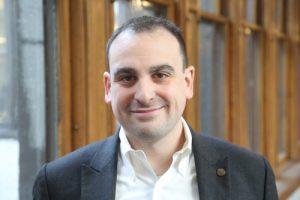 Joe Patrice is a senior editor at Above the Law and co-host of Thinking Like A Lawyer. Feel free to email any tips, questions, or comments. Follow him on Twitter or Bluesky if you’re interested in law, politics, and a healthy dose of college sports news.
The post Former SPLC Expert Arrested On Fraud Charges As Malicious Prosecution Expands appeared first on Above the Law.
When Benito Mussolini sent his followers to march on the capital in 1922, he fully expected to be thrown in jail (or more) for his attempted coup. Instead, he was asked to become prime minister. Mussolini himself stayed in Milan, allowing him to cultivate the sort of probable deniability that might lead someone to, I don’t know, retire to the White House and refuse for hours to intervene against the followers he coyly encouraged to storm the Capitol. In any event, the point of the march was to cross the line and see if guardians of the rule of law would stop him.
When they didn’t, he knew he could escalate.
The Department of Justice launched a criminal prosecution against the Southern Poverty Law Center earlier this year. That indictment actually failed to state a claim, forcing the DOJ to go back to the drawing board with a superseding indictment that alleged facts directly undermining the thesis of the case. Chief Judge Emily Marks just refused to dismiss the case as a vindictive prosecution — or even open the lid to review potentially damning communications about the motives behind this case.
So now the administration has arrested a former SPLC’s anti-extremism expert.
“I believe [former SPLC hate group tracker Heidi Beirich] was part of the effort to open bank accounts in completely fictitious companies’ names and make payments to individuals for reasons that that were not accurate as described,” Attorney General Todd Blanche said at a news conference Wednesday. “This is exactly what we said would happen in a case like this, which is that our investigators and the US attorneys and the agents working the case will can keep on working it even after the initial indictment.”
Because when the appointed guardians of the rule of law do nothing, the people crossing the line understand they’re free to escalate.
To be clear, the activity Blanche describes is, on its own, a long way from a crime. The Trump administration argues that the SPLC defrauded its donors and banks by not telling them that their funds pay for informants inside white supremacist groups. There is no indication that any contributor or bank was ever actually fooled by this, given that there’s nothing in the record to suggest that any of them are cartoonishly stupid. Gathering information on white supremacists is kind of the SPLC’s whole deal, and no one ever thought they got their detailed research reports from Wikipedia. Indeed, the FBI has long known that the SPLC has paid informants within these groups, because the SPLC often shared intelligence with the FBI. If there’s some sort of fraud here, the DOJ — months into the case — has yet to actually identify it.
Why does such a flimsy a case get brought?
Well, from the president on down, the administration has clearly and, frankly, loudly proclaimed that it brought these charges for the purpose of punishing the SPLC for shining a spotlight on hate groups that Donald Trump considers valued supporters. The sort of people who might storm a Capitol for him! Trump said the prosecution was about taking down a “scam run by the Democrats,” Kash “J. Edgar Boozer” Patel called the group “a partisan smear machine,” and Assistant AG Harmeet Dhillon talked about supporting the case because the SPLC identified “one of [her] ‘friends.’” The paper trail surrounding the decision to bring charges is incomplete, but includes a whistleblower willing to peg the case as coming down from the top and a gratuitous FBI report that claims in text to have convinced prosecutors to pursue the case.
Marks decided all these comments from the president on down through the Justice Department did not necessarily sway the local federal prosecutor. In an administration quick to fire anyone who doesn’t swiftly and mechanically follow presidential commands, this U.S. Attorney enjoys the presumption of complete independence. Whether she reached this conclusion from naiveté or not, the outcome is the same.
The public record around this case offered so many instances of the appearance of impropriety that the opinion takes pages to detail them all. Despite that record, Judge Marks flashed the go ahead without even considering it might be worth checking the receipts.
Pretty much everyone knew what the DOJ would do next.
Earlier: Trump Judge Rules SPLC Can’t Prove Vindictive Prosecution Without Evidence, Which She Also Won’t Let Them See
Trump DOJ Indicts Civil Rights Group For Working To Take Down Hate Groups
Justice Department’s SPLC Indictment Just Got Dumber, Which Seemed Impossible
New SPLC Indictment Has Us Wondering If The DOJ Is Trying To Lose
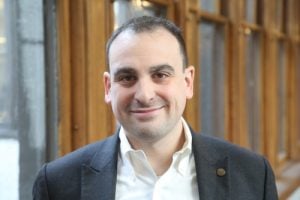 Joe Patrice is a senior editor at Above the Law and co-host of Thinking Like A Lawyer. Feel free to email any tips, questions, or comments. Follow him on Twitter or Bluesky if you’re interested in law, politics, and a healthy dose of college sports news.