
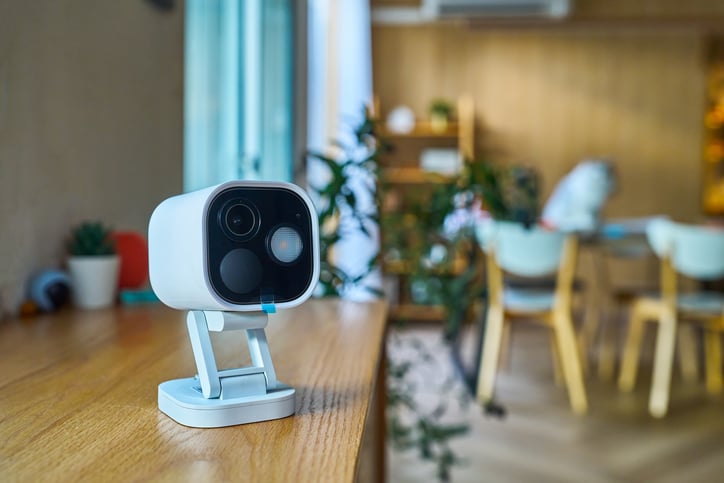
I visited Boston last weekend. Unfortunately, as I was boarding the plane, I learned that some events I planned to attend in the city have been cancelled due to the storm passing through the East Coast. So while I was thinking about other things to do, I happened to notice the fair number of cameras during my stay.
At Logan International Airport, I saw a few cameras while walking from the gate to the exit. When I entered a taxi going to my hotel, I saw a sign that said a camera would be recording the ride to protect everyone inside the car. While driving to the hotel, I noticed that some of the cars next to me had dashcams. We drove through a toll booth that had a license plate camera.
When I arrived at my hotel, I saw a few cameras in the lobby, the front desk, and the hallway near my room. A few hours later, a friend picked me up to go to someone’s house for dinner.
While driving in traffic, we saw three people loudly arguing with each other. Several people around them were recording the argument with their phones. As we approached the friend’s house, I saw a Ring camera on the front door while their next-door neighbor had three cameras surrounding their house.
Inside the home, we had interesting and provocative conversations over food and wine. I think one of the guests might have been wearing those smart glasses I’ve been hearing about. Or maybe not.
Those are the cameras I actually saw. Who knows how many others I didn’t see.
All of this made me wonder whether how much privacy we have left.
The use of video recording has increased sharply over the years. The cost of home security systems has decreased, which allows more homes and businesses to have them. Smartphones with cameras are ubiquitous.
In some places (like airports and hotels), seeing cameras in the premises is not unusual and probably expected for security purposes. On the other hand, people may be surprised and possibly feel uncomfortable seeing cameras in their taxis or in a homeowner’s dining room.
Video recordings have also done wonders for dispute resolution. Those who have dashcams have objective proof of what happened.
Also, video cameras provide security. An elaborate security system could deter low-level wannabe thieves. Indoor cameras can keep tabs on a babysitter to make sure she doesn’t let the five year old play Mortal Kombat before bedtime.
But increased video cameras also have their cons. Videos can be taken out of context. Most smartphone videos of people fighting or arguing seldom record the very beginning of the chain of events that started everything. While dashcams could eliminate he said/she said situations in a car accident, if the person at fault has a dashcam, he or she may not disclose its existence, particularly if it could result in a huge increase in their insurance premium.
Also, videos are permanent, and digital copies can be stored relatively cheaply and could last for a very long time with no degradation of quality. There are countless cases where someone was filmed doing something childish when they were a child and it came back to haunt them years, or even decades later, usually with the video being kept by a then friend or family member.
There have been calls to remove certain video cameras, with the most famous being Flock cameras. Flock is a company that produces automatic license plate recognition (ALPR) cameras, usually placed near roads. Reasons for removal are due to potential misuse by law enforcement and hacking. Several isolated incidents have been reported, including multiple police officers disciplined or charged for using Flock data to stalk romantic partners/exes.
But during any discussion involving removing Flock or similar cameras, the sides should also consider Chesterton’s Fence which warns against tearing down a fence until they first understand why it was erected. So why were Flock’s ALPR cameras installed in the first place? Mainly for two reasons. First, to track cars that are involved in criminal activity. Second, to collect fees from drivers using toll roads.
Some people will eventually quote Benjamin Franklin where he basically says that those who give up essential liberties to purchase a little temporary security deserve neither. It should be noted that when Franklin said this, it was not in the context of individual privacy. Instead, it centered on a tax dispute involving paying for military defense of the frontier. Also, while Franklin’s words make some sense, he also did not live in a time where almost everyone had a portable video camera.
The cameras I encountered in Boston are not anomalies. I am sure that many large cities have a similar setup. The government and its citizens are at least armed with a smartphone with a digital camera.
Don’t expect laws or norms that provides universal guidelines for the optimal use of cameras that respect personal privacy. Every country, state, province, city, neighborhood, and block have individual needs.
People will act differently if they know they are being recorded. Sometimes it is for professional reasons. Lawyers will have to be careful when talking about what they do. Health care professionals must also be similarly careful, or they could violate HIPAA rules. But it is mainly to avoid being in a compromising position while being recorded as it may be used against them at the most inopportune time.
The cameras are not going away. They were put up to deter crime, collect toll fees, protect taxi drivers and passengers, and resolve car accidents. Otherwise, there will be more he said/she said situations, which could be unsolvable. To minimize future misuse, camera owners will instead place strict controls, such as logging in with IDs and documenting use.
Privacy in open spaces is not what it once was. But at least our thoughts are still private.
Steven Chung is a tax attorney in Los Angeles, California. He helps people with basic tax planning and resolve tax disputes. He is also sympathetic to people with large student loans. He can be reached via email at stevenchungatl@gmail.com. Or you can connect with him on Twitter (@stevenchung) and connect with him on LinkedIn.
The post Cameras Everywhere: What Privacy Do We Have Left? appeared first on Above the Law.
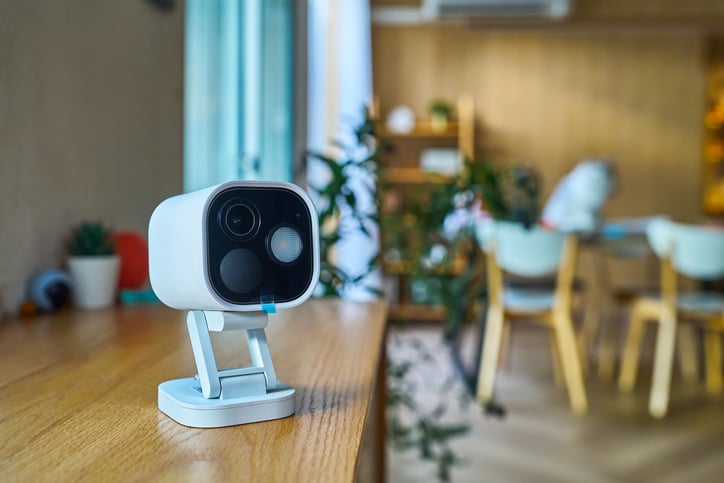
I visited Boston last weekend. Unfortunately, as I was boarding the plane, I learned that some events I planned to attend in the city have been cancelled due to the storm passing through the East Coast. So while I was thinking about other things to do, I happened to notice the fair number of cameras during my stay.
At Logan International Airport, I saw a few cameras while walking from the gate to the exit. When I entered a taxi going to my hotel, I saw a sign that said a camera would be recording the ride to protect everyone inside the car. While driving to the hotel, I noticed that some of the cars next to me had dashcams. We drove through a toll booth that had a license plate camera.
When I arrived at my hotel, I saw a few cameras in the lobby, the front desk, and the hallway near my room. A few hours later, a friend picked me up to go to someone’s house for dinner.
While driving in traffic, we saw three people loudly arguing with each other. Several people around them were recording the argument with their phones. As we approached the friend’s house, I saw a Ring camera on the front door while their next-door neighbor had three cameras surrounding their house.
Inside the home, we had interesting and provocative conversations over food and wine. I think one of the guests might have been wearing those smart glasses I’ve been hearing about. Or maybe not.
Those are the cameras I actually saw. Who knows how many others I didn’t see.
All of this made me wonder whether how much privacy we have left.
The use of video recording has increased sharply over the years. The cost of home security systems has decreased, which allows more homes and businesses to have them. Smartphones with cameras are ubiquitous.
In some places (like airports and hotels), seeing cameras in the premises is not unusual and probably expected for security purposes. On the other hand, people may be surprised and possibly feel uncomfortable seeing cameras in their taxis or in a homeowner’s dining room.
Video recordings have also done wonders for dispute resolution. Those who have dashcams have objective proof of what happened.
Also, video cameras provide security. An elaborate security system could deter low-level wannabe thieves. Indoor cameras can keep tabs on a babysitter to make sure she doesn’t let the five year old play Mortal Kombat before bedtime.
But increased video cameras also have their cons. Videos can be taken out of context. Most smartphone videos of people fighting or arguing seldom record the very beginning of the chain of events that started everything. While dashcams could eliminate he said/she said situations in a car accident, if the person at fault has a dashcam, he or she may not disclose its existence, particularly if it could result in a huge increase in their insurance premium.
Also, videos are permanent, and digital copies can be stored relatively cheaply and could last for a very long time with no degradation of quality. There are countless cases where someone was filmed doing something childish when they were a child and it came back to haunt them years, or even decades later, usually with the video being kept by a then friend or family member.
There have been calls to remove certain video cameras, with the most famous being Flock cameras. Flock is a company that produces automatic license plate recognition (ALPR) cameras, usually placed near roads. Reasons for removal are due to potential misuse by law enforcement and hacking. Several isolated incidents have been reported, including multiple police officers disciplined or charged for using Flock data to stalk romantic partners/exes.
But during any discussion involving removing Flock or similar cameras, the sides should also consider Chesterton’s Fence which warns against tearing down a fence until they first understand why it was erected. So why were Flock’s ALPR cameras installed in the first place? Mainly for two reasons. First, to track cars that are involved in criminal activity. Second, to collect fees from drivers using toll roads.
Some people will eventually quote Benjamin Franklin where he basically says that those who give up essential liberties to purchase a little temporary security deserve neither. It should be noted that when Franklin said this, it was not in the context of individual privacy. Instead, it centered on a tax dispute involving paying for military defense of the frontier. Also, while Franklin’s words make some sense, he also did not live in a time where almost everyone had a portable video camera.
The cameras I encountered in Boston are not anomalies. I am sure that many large cities have a similar setup. The government and its citizens are at least armed with a smartphone with a digital camera.
Don’t expect laws or norms that provides universal guidelines for the optimal use of cameras that respect personal privacy. Every country, state, province, city, neighborhood, and block have individual needs.
People will act differently if they know they are being recorded. Sometimes it is for professional reasons. Lawyers will have to be careful when talking about what they do. Health care professionals must also be similarly careful, or they could violate HIPAA rules. But it is mainly to avoid being in a compromising position while being recorded as it may be used against them at the most inopportune time.
The cameras are not going away. They were put up to deter crime, collect toll fees, protect taxi drivers and passengers, and resolve car accidents. Otherwise, there will be more he said/she said situations, which could be unsolvable. To minimize future misuse, camera owners will instead place strict controls, such as logging in with IDs and documenting use.
Privacy in open spaces is not what it once was. But at least our thoughts are still private.
Steven Chung is a tax attorney in Los Angeles, California. He helps people with basic tax planning and resolve tax disputes. He is also sympathetic to people with large student loans. He can be reached via email at stevenchungatl@gmail.com. Or you can connect with him on Twitter (@stevenchung) and connect with him on LinkedIn.
The post Cameras Everywhere: What Privacy Do We Have Left? appeared first on Above the Law.