
Jack: Winning that ticket was the best thing that ever happened to me…
Rose: I’ll never let go, Jack. I’ll never let go. I promise.
You know what happened next in Titanic? She drops him in the fucking water.
Just replace the “ticket” with “Weil job offer,” and “Jack” with “first-year that the senior partner cannot pick out of a lineup of one.” After Weil crashed into the metaphorical iceberg — continued spoiler warning for Titanic… the boat sinks — the partners started heading for the lifeboats. Gibson Dunn is going to bring on roughly 120 Weil funds lawyers in New York and London, including about 20 partners. Kirkland confirmed it’s taking 40 lawyers led by Ramona Nee, the partner who was supposed to take over Weil in January. Latham nabbed six. These moves function less like laterals than outright acquisitions of mini-firms from within Weil’s collection of practice fiefdoms.
A ton of associates are moving with these teams. They have experience with the partners, with the clients, and with their peers. But what about the associates who just showed up in the last year? Or, worse, those who showed up two months ago? They’re just bringing a law school transcript and a salary commitment.
Consider the two different messages the firm delivered to its lawyers. The message to partners freed them from to seek their fortune elsewhere, theoretically without forfeiting their share of future profit. The memo to associates promised to “facilitate introductions where we can,” before instructing everyone to keep billing.
And the cohort that feels that sting worst will be the first-years. At least one Weil practice group looks to exit as a team without bringing its first-year associates along. According to an ATL source, those first-years had previously been told everything was fine. Maybe they’ll end up joining the move, but I wouldn’t bet a Biglaw bonus on it. This tip echoes a quote an anonymous Weil associate gave Bloomberg Law News, asserting that firm leaders “used their insider information to negotiate deals with other firms and oftentimes leaving associates behind.”
The harsh reality is that Biglaw firms don’t need first-year associates, they’re investing in first-year associates. Biglaw is a pyramid scheme and Weil took its chances that a certain slice of these associates work out. The problem is Kirkland already placed its first-year bets. And so did Gibson Dunn. And Latham. They don’t have a lot of incentive to throw money at potential, especially when they trust their own sense of reading the “who will turn out to be a good associate five years from now” tea leaves better than a rival’s. More practice groups will mean more work overall, but the firms taking on Weil teams also have AI and now that bots perform a hefty chunk of what first-years used to bill for, why add bloat?
Weil first-years are still excellent hires. An elite firm vetted these candidates and any firm adding them acquires a low-risk, high-ceiling asset. But first-years have to go through the hustle of finding a new gig… their more senior colleagues just get to nonchalantly change their letterhead in a couple weeks.
The new class that started last month didn’t do anything to deserve this. Maybe, like in Titanic, the senior partners signing lucrative deals with other firms will someday recount this story to some bored researchers searching the wreckage.
Also, in this analogy, Willkie is Billy Zane. That tracks.
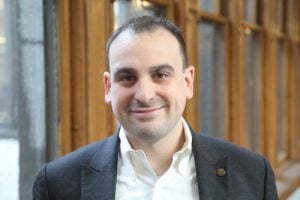 Joe Patrice is a senior editor at Above the Law and co-host of Thinking Like A Lawyer. Feel free to email any tips, questions, or comments. Follow him on Twitter or Bluesky if you’re interested in law, politics, and a healthy dose of college sports news.
The post Weil’s Lifeboats Have A Seating Chart, First-Years Worry They Aren’t On It appeared first on Above the Law.

Jack: Winning that ticket was the best thing that ever happened to me…
Rose: I’ll never let go, Jack. I’ll never let go. I promise.
You know what happened next in Titanic? She drops him in the fucking water.
Just replace the “ticket” with “Weil job offer,” and “Jack” with “first-year that the senior partner cannot pick out of a lineup of one.” After Weil crashed into the metaphorical iceberg — continued spoiler warning for Titanic… the boat sinks — the partners started heading for the lifeboats. Gibson Dunn is going to bring on roughly 120 Weil funds lawyers in New York and London, including about 20 partners. Kirkland confirmed it’s taking 40 lawyers led by Ramona Nee, the partner who was supposed to take over Weil in January. Latham nabbed six. These moves function less like laterals than outright acquisitions of mini-firms from within Weil’s collection of practice fiefdoms.
A ton of associates are moving with these teams. They have experience with the partners, with the clients, and with their peers. But what about the associates who just showed up in the last year? Or, worse, those who showed up two months ago? They’re just bringing a law school transcript and a salary commitment.
Consider the two different messages the firm delivered to its lawyers. The message to partners freed them from to seek their fortune elsewhere, theoretically without forfeiting their share of future profit. The memo to associates promised to “facilitate introductions where we can,” before instructing everyone to keep billing.
And the cohort that feels that sting worst will be the first-years. At least one Weil practice group looks to exit as a team without bringing its first-year associates along. According to an ATL source, those first-years had previously been told everything was fine. Maybe they’ll end up joining the move, but I wouldn’t bet a Biglaw bonus on it. This tip echoes a quote an anonymous Weil associate gave Bloomberg Law News, asserting that firm leaders “used their insider information to negotiate deals with other firms and oftentimes leaving associates behind.”
The harsh reality is that Biglaw firms don’t need first-year associates, they’re investing in first-year associates. Biglaw is a pyramid scheme and Weil took its chances that a certain slice of these associates work out. The problem is Kirkland already placed its first-year bets. And so did Gibson Dunn. And Latham. They don’t have a lot of incentive to throw money at potential, especially when they trust their own sense of reading the “who will turn out to be a good associate five years from now” tea leaves better than a rival’s. More practice groups will mean more work overall, but the firms taking on Weil teams also have AI and now that bots perform a hefty chunk of what first-years used to bill for, why add bloat?
Weil first-years are still excellent hires. An elite firm vetted these candidates and any firm adding them acquires a low-risk, high-ceiling asset. But first-years have to go through the hustle of finding a new gig… their more senior colleagues just get to nonchalantly change their letterhead in a couple weeks.
The new class that started last month didn’t do anything to deserve this. Maybe, like in Titanic, the senior partners signing lucrative deals with other firms will someday recount this story to some bored researchers searching the wreckage.
Also, in this analogy, Willkie is Billy Zane. That tracks.
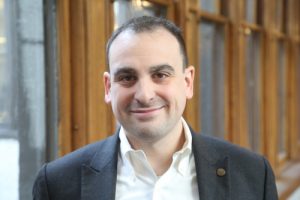 Joe Patrice is a senior editor at Above the Law and co-host of Thinking Like A Lawyer. Feel free to email any tips, questions, or comments. Follow him on Twitter or Bluesky if you’re interested in law, politics, and a healthy dose of college sports news.