
Last week, The New York Times reported that the Supreme Court’s Second Amendment case law rests upon a “misquote.” In Heller, Justice Scalia assembled a string cite of some armchair history, asserting that tradition only recognized restrictions on firearms that are both “dangerous and unusual.” Since then, judges have copied and pasted that language to strike down all manner of gun laws. But, the Times argued, Scalia’s language misquotes the cited source. The quoted language appears before a cite to William Blackstone, even though Blackstone wrote that weapons may be regulated if they are “dangerous or unusual.”
Irate conservatives spent the week blasting the Times for not understanding how signals work. See, Scalia began that cite with the “See” signal, they remind us! That means he obviously wasn’t directly quoting the phrase he chose to place in quotation marks for some reason. Jonathan Adler opened his Volokh Conspiracy response to the controversy with “This is stunning.” Cam Edwards at Bearing Arms went with “journalistic malpractice.” Stunning! Malpractice!
And, yes, the signal does mean that Scalia wasn’t attributing the direct quote to the sources that follow. “See” doesn’t promise the source uses the same words. That said, “See” does suggest the following work supports the proposition and, in this case, it absolutely does not.
Here’s what Scalia wrote:
We think that limitation is fairly supported by the historical tradition of prohibiting the carrying of “dangerous and unusual weapons.” See 4 Blackstone 148–149 (1769); 3 B. Wilson, Works of the Honourable James Wilson 79 (1804); J. Dunlap, The New-York Justice 8 (1815)…
That indicates, at least, that Blackstone (and fully half of the others cited, but we’ll stick with Big Daddy Blackstone for illustrative purposes) believed regulation required the weapon to be both dangerous and unusual even if those weren’t his exact words. What Blackstone actually wrote was:
The offence of riding or going armed, with dangerous or unusual weapons, is a crime against the public peace, by terrifying the good people of the land…
You absolutely cannot use “See” to suggest that this supports the proposition that tradition barred “dangerous and unusual weapons.” Hell, that would be a dubious “Cf.” let alone a “See.” It requires impressive mental gymnastics to think Blackstone meant a merely dangerous weapon would NOT terrify the good people of the land. Like a bunch of peasants looked up at a rifle and said, “Oh, phew, I thought it was a Krummlauf.” Which is a real thing.
The conservatives can be correct that Scalia isn’t misquoting Blackstone et al., but what he’s doing instead is taking a quote of no one, and dressing it up to look like a quote of everyone. It’s a disingenuous ploy to set a new, conjunctive standard based on a record that wouldn’t back that up.
John Bash, who clerked for Scalia that term, puts forward the generous reading that Scalia only intended the narrow, uncontroversial standard that, at a minimum, weird and deadly stuff can be regulated. If one accepts that premise, Scalia didn’t much worry about whether these sources were conjunctive or disjunctive because he meant “and” in the more conversational manner that loops in both readings. Bash himself co-wrote a 2022 op-ed arguing Heller leaves room for bans on particularly dangerous weapons. At the time, I found that op-ed to be, in a word, bullshit. I can give the authors the benefit of the doubt that they might have hoped to backdoor lobby the Court to accept reason by pitching a reading of Heller that stepped back from the brink, but it was not an accurate description of how post-Heller conservatives read that opinion.
Maybe Scalia was an innocent dupe here, but I’m not buying it. Scalia’s opinion and its progeny wield that “and” as, well, a weapon to raise the bar for firearm regulation to absurdist heights. Danger is not enough, it must be dangerous and unusual. Until a school shooter gets their hands on a fully automatic fountain pen that Q invented for Bond, there’s not much the law can do.
And it’s worked like a charm! In Caetano v. Massachusetts, Justice Alito, joined by Justice Thomas in a concurrence, called the Heller formulation “a conjunctive test: A weapon may not be banned unless it is both dangerous and unusual.” It’s historywashing… running a cite through the ringer, inventing a new standard. It’s a trend in academic literature, with conservative former clerks churning out law review articles gathering “history” that the courts later cite as a secondary source — cleaned up and distanced from potentially inconvenient primary materials. In Heller, Scalia created his own secondary source.
Then in Bruen, Thomas wrote that the Court had already found it “fairly supported by the historical tradition of prohibiting the carrying of ‘dangerous and unusual weapons….’” It’s like a game of Telephone except the first guy in the chain intentionally changed the message and everyone went along with it.
It’s actually bonkers that anyone with a shred of credibility is pitching this “‘See’ means you can say whatever you want” argument. According to the Times, a 2020 Thomas dissent credited the conjunctive version to Blackstone himself, underscoring the natural and logical consequences of accepting this intellectual dishonesty. If “See” so obviously means it’s not a direct quote, it’s apparently not so obvious to Thomas.
Which should give away the whole game.
On December 2, the Court hears Viramontes v. Cook County and Grant v. Higgins, challenges to assault-weapons bans in Cook County and Connecticut, with the Solicitor General’s office granted time to argue against the bans. We’ll hear a lot about “dangerous and unusual.” Not so much about “or.”
So the Times is wrong to say “misquote,” but they’re a lot closer to right than their detractors. Maybe they should slap a “See” after the word misquote and make it all better.
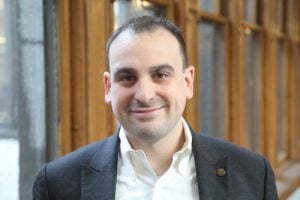 Joe Patrice is a senior editor at Above the Law and co-host of Thinking Like A Lawyer. Feel free to email any tips, questions, or comments. Follow him on Twitter or Bluesky if you’re interested in law, politics, and a healthy dose of college sports news.
The post No, Supreme Court Gun Case Isn’t Based On A ‘Misquote.’ What Scalia Did Was Way More Intellectually Dishonest appeared first on Above the Law.

Last week, The New York Times reported that the Supreme Court’s Second Amendment case law rests upon a “misquote.” In Heller, Justice Scalia assembled a string cite of some armchair history, asserting that tradition only recognized restrictions on firearms that are both “dangerous and unusual.” Since then, judges have copied and pasted that language to strike down all manner of gun laws. But, the Times argued, Scalia’s language misquotes the cited source. The quoted language appears before a cite to William Blackstone, even though Blackstone wrote that weapons may be regulated if they are “dangerous or unusual.”
Irate conservatives spent the week blasting the Times for not understanding how signals work. See, Scalia began that cite with the “See” signal, they remind us! That means he obviously wasn’t directly quoting the phrase he chose to place in quotation marks for some reason. Jonathan Adler opened his Volokh Conspiracy response to the controversy with “This is stunning.” Cam Edwards at Bearing Arms went with “journalistic malpractice.” Stunning! Malpractice!
And, yes, the signal does mean that Scalia wasn’t attributing the direct quote to the sources that follow. “See” doesn’t promise the source uses the same words. That said, “See” does suggest the following work supports the proposition and, in this case, it absolutely does not.
Here’s what Scalia wrote:
We think that limitation is fairly supported by the historical tradition of prohibiting the carrying of “dangerous and unusual weapons.” See 4 Blackstone 148–149 (1769); 3 B. Wilson, Works of the Honourable James Wilson 79 (1804); J. Dunlap, The New-York Justice 8 (1815)…
That indicates, at least, that Blackstone (and fully half of the others cited, but we’ll stick with Big Daddy Blackstone for illustrative purposes) believed regulation required the weapon to be both dangerous and unusual even if those weren’t his exact words. What Blackstone actually wrote was:
The offence of riding or going armed, with dangerous or unusual weapons, is a crime against the public peace, by terrifying the good people of the land…
You absolutely cannot use “See” to suggest that this supports the proposition that tradition barred “dangerous and unusual weapons.” Hell, that would be a dubious “Cf.” let alone a “See.” It requires impressive mental gymnastics to think Blackstone meant a merely dangerous weapon would NOT terrify the good people of the land. Like a bunch of peasants looked up at a rifle and said, “Oh, phew, I thought it was a Krummlauf.” Which is a real thing.
The conservatives can be correct that Scalia isn’t misquoting Blackstone et al., but what he’s doing instead is taking a quote of no one, and dressing it up to look like a quote of everyone. It’s a disingenuous ploy to set a new, conjunctive standard based on a record that wouldn’t back that up.
John Bash, who clerked for Scalia that term, puts forward the generous reading that Scalia only intended the narrow, uncontroversial standard that, at a minimum, weird and deadly stuff can be regulated. If one accepts that premise, Scalia didn’t much worry about whether these sources were conjunctive or disjunctive because he meant “and” in the more conversational manner that loops in both readings. Bash himself co-wrote a 2022 op-ed arguing Heller leaves room for bans on particularly dangerous weapons. At the time, I found that op-ed to be, in a word, bullshit. I can give the authors the benefit of the doubt that they might have hoped to backdoor lobby the Court to accept reason by pitching a reading of Heller that stepped back from the brink, but it was not an accurate description of how post-Heller conservatives read that opinion.
Maybe Scalia was an innocent dupe here, but I’m not buying it. Scalia’s opinion and its progeny wield that “and” as, well, a weapon to raise the bar for firearm regulation to absurdist heights. Danger is not enough, it must be dangerous and unusual. Until a school shooter gets their hands on a fully automatic fountain pen that Q invented for Bond, there’s not much the law can do.
And it’s worked like a charm! In Caetano v. Massachusetts, Justice Alito, joined by Justice Thomas in a concurrence, called the Heller formulation “a conjunctive test: A weapon may not be banned unless it is both dangerous and unusual.” It’s historywashing… running a cite through the ringer, inventing a new standard. It’s a trend in academic literature, with conservative former clerks churning out law review articles gathering “history” that the courts later cite as a secondary source — cleaned up and distanced from potentially inconvenient primary materials. In Heller, Scalia created his own secondary source.
Then in Bruen, Thomas wrote that the Court had already found it “fairly supported by the historical tradition of prohibiting the carrying of ‘dangerous and unusual weapons….’” It’s like a game of Telephone except the first guy in the chain intentionally changed the message and everyone went along with it.
It’s actually bonkers that anyone with a shred of credibility is pitching this “‘See’ means you can say whatever you want” argument. According to the Times, a 2020 Thomas dissent credited the conjunctive version to Blackstone himself, underscoring the natural and logical consequences of accepting this intellectual dishonesty. If “See” so obviously means it’s not a direct quote, it’s apparently not so obvious to Thomas.
Which should give away the whole game.
On December 2, the Court hears Viramontes v. Cook County and Grant v. Higgins, challenges to assault-weapons bans in Cook County and Connecticut, with the Solicitor General’s office granted time to argue against the bans. We’ll hear a lot about “dangerous and unusual.” Not so much about “or.”
So the Times is wrong to say “misquote,” but they’re a lot closer to right than their detractors. Maybe they should slap a “See” after the word misquote and make it all better.
Joe Patrice is a senior editor at Above the Law and co-host of Thinking Like A Lawyer. Feel free to email any tips, questions, or comments. Follow him on Twitter or Bluesky if you’re interested in law, politics, and a healthy dose of college sports news.